Empowering Youth and Refugee Communities with Skills for Sustainable Livelihoods

Livelihood & Economic Empowerment
Poverty traps families in cycles of vulnerability. At EYE we empower youth and caregivers to gain practical skills, launch small businesses, and achieve financial independence so communities can thrive.
Explore Our ProgramsOur Approach
We believe that sustainable livelihoods don’t just happen-they are built through identified skills, access to resources, and supportive ecosystems. Our approach combines vocational training, financial inclusion, agricultural innovation, and market linkages, all designed for refugee and rural contexts. We work hand in hand with youth, women, and caregivers, helping them turn skills and ideas into income, independence, and community leadership.
Key Activities
- Vocational & Entrepreneurship Training: Youth and women participate in tailored training programmes-such as tailoring, ICT, agro‑processing, and trade-coupled with business planning and financial literacy.
- Savings & Loan Groups (VSLA): Community‑based savings groups enable members to pool funds, access small loans, invest in enterprises and build financial resilience.
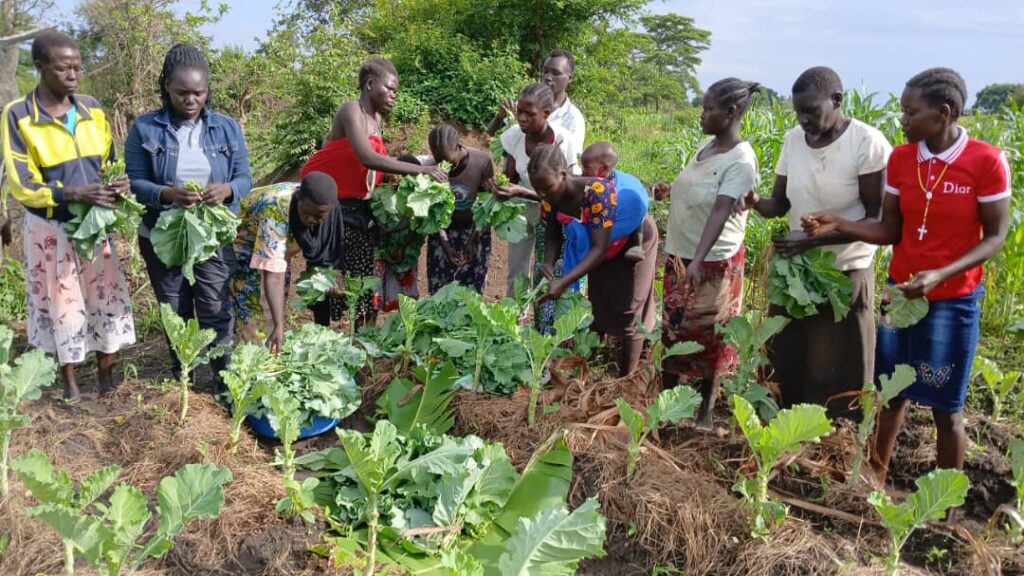
- Agricultural & Agribusiness Initiatives: We support farming, livestock, and value‑addition enterprises; training farmers and youth in climate‑smart techniques that increase income and food security.
- Market Linkages & Mentorship: Emerging entrepreneurs are connected to markets, mentors, and networks-ensuring their businesses grow beyond startup and become sustainable sources of income.
- Financial Literacy & Business Coaching: Participants receive ongoing mentoring on record‑keeping, budgeting, pricing, and scaling—giving them the tools to manage and grow their ventures.
Our Impact
Through our livelihood programmes, families transition from dependence to self‑reliance. Youth and caregivers gain confidence, develop sustainable enterprises, and lead economic activity within their communities. The results: higher household incomes, fewer dropouts, stronger savings culture, and vibrant local economies grounded in dignity and opportunity.